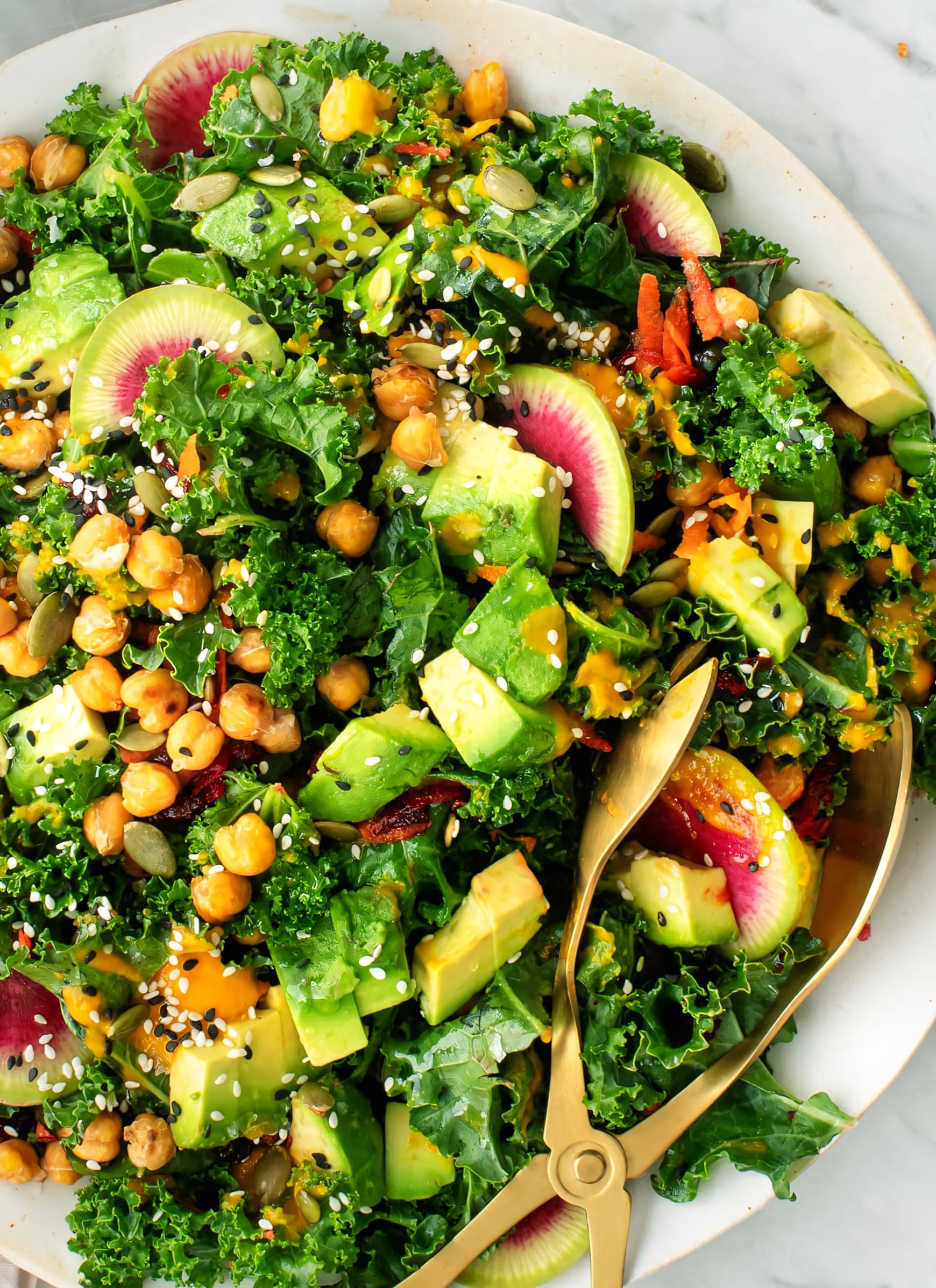
From Tough to Tender: Mastering Massaged Kale with Lemon
For many, the mere mention of kale salad conjures images of tough, bitter greens, an unappealing challenge to the palate. It's a common complaint, leaving many to dismiss this nutrient-dense leafy green as something only hardcore health enthusiasts could endure. But what if we told you there's a simple, transformative technique that turns those "lawn clippings" into a vibrant, tender, and incredibly delicious culinary delight? Welcome to the world of
mastering massaged kale with lemon, a method so effective it will forever change your perception of this superfood.
This isn't just a recipe; it's a revelation. By applying a little culinary alchemy – a gentle massage with the right ingredients – you unlock kale's true potential, making it not only palatable but truly crave-worthy. And the secret weapon? Fresh lemon. This article will guide you through the why and how, ensuring your next
quick & healthy massaged kale salad with lemon is nothing short of magnificent. Prepare to ditch sad, stiff leaves for good and embrace a tender, flavorful base for countless healthy meals.
Understanding the Magic: Why Massaged Kale Works
The reason raw kale often earns its tough reputation lies in its robust cellular structure, specifically a high concentration of cellulose. This fibrous compound makes the leaves rigid and can be challenging for our digestive system to break down, leading to that unpleasant, sometimes gritty texture and bitter taste. Simply put, kale is "built different," and its raw state requires a little intervention to become truly enjoyable.
The "massage" technique is that essential intervention. It’s a brilliant fusion of mechanical and chemical processes designed to tenderize the greens.
- Mechanical Breakdown: The act of physically rubbing and squeezing the kale leaves with your hands helps to break down the tough cell walls. You're essentially pre-digesting the kale, softening its structure and releasing some of its internal compounds. You'll notice the leaves shrink, darken, and become notably softer to the touch.
- Chemical Transformation: This is where the magic of the dressing ingredients comes into play. A key component of any good massaged kale is an acid, and fresh lemon juice is king. The acid in lemon begins to chemically break down the cellulose, further softening the leaves and neutralizing some of the natural bitterness. Paired with a touch of healthy fat (like olive oil) and a pinch of salt, these ingredients work synergistically. The oil helps to carry the flavors, provides a lubricating effect for the massage, and contributes to a silky mouthfeel, while salt draws out moisture and further aids in tenderizing the greens.
This combination transforms kale from an unyielding, bitter ingredient into wonderfully tender, almost velvety leaves that are both deeply savory and incredibly pleasant to eat. It's the difference between a side dish that feels like a chore and a vibrant, nutrient-dense salad you'll genuinely look forward to.
The Art of the Massage: Step-by-Step to Perfect Massaged Kale with Lemon
Achieving that perfect tender texture with your
massaged kale salad with lemon is a simple technique, not a culinary secret. Here’s how to master it:
Choosing Your Kale
While all kale benefits from a massage, different varieties offer slightly different results.
- Curly Kale: This is the most common variety. Its ruffled texture provides plenty of surface area for the dressing to adhere, and it softens beautifully.
- Lacinato Kale (Dinosaur or Tuscan Kale): With its darker, flatter, and often crinkly leaves, Lacinato kale becomes incredibly silky and tender when massaged. Many find its flavor slightly milder than curly kale.
- Red Russian Kale: This variety has flat, oak-leaf-like leaves with reddish stems. It's tender when young and benefits greatly from a massage as it matures.
Any variety will work wonderfully; just be mindful that larger, tougher leaves might require a slightly longer massage.
Prepping Your Greens
Before the massage begins, proper preparation is key.
- Wash Thoroughly: Rinse your kale under cold running water to remove any dirt or debris.
- Dry Well: Excess water can dilute your dressing and make it harder for the oil and lemon to penetrate the leaves. Use a salad spinner or pat the leaves dry with a clean kitchen towel.
- Remove Stems: The thick, woody stems of kale are almost always too fibrous to eat raw. Hold the bottom of the stem and pull the leafy greens away, or use a knife to cut along either side of the stem.
- Chop or Tear: Tear the de-stemmed kale into bite-sized pieces. Aim for pieces that are easy to manage on a fork, usually about 1-2 inches.
The Massage Ritual
This is where the magic happens for your
massaged kale salad with lemon.
- Add to a Large Bowl: Place your prepped kale into a spacious bowl. You’ll need room to work.
- Drizzle with Oil and Sprinkle with Salt: Start with a generous drizzle of good quality extra virgin olive oil (about 1-2 tablespoons per bunch of kale) and a pinch of sea salt. The oil acts as a lubricant and flavor carrier, while the salt helps draw out moisture and further tenderize.
- Begin the Massage: Dig in with clean hands! Vigorously squeeze, scrunch, and rub the kale leaves between your fingers. You'll feel the texture begin to change almost immediately. Continue this for 1-2 minutes.
- Add Lemon Juice: Now, add the freshly squeezed lemon juice (start with half a lemon per bunch of kale). Continue massaging for another 2-4 minutes. You should notice the kale significantly softening, darkening in color, and reducing in volume. It will feel much more pliable and silky.
- Taste and Adjust: After a few minutes, taste a piece of kale. It should be tender, not tough, with a pleasant, mild flavor. If it's still a bit firm, continue massaging for another minute or two. Add more lemon, salt, or oil to taste, if desired.
Elevating Your Massaged Kale Salad with Lemon: Endless Variations
One of the greatest strengths of a perfectly massaged kale salad with lemon is its incredible versatility. The tender, zesty base acts as a blank canvas for a myriad of additions, making it ideal for quick lunches, impressive sides, or hearty main courses. This simple base recipe, which is naturally meat-free, dairy-free, gluten-free, and vegan, can be adapted to suit any palate or occasion.
Consider these ideas to elevate your
massaged kale salad with lemon:
- Protein Power: For a more substantial meal, add cooked chickpeas, white beans, grilled chicken or salmon (for non-vegans), crumbled tofu, or a hard-boiled egg.
- Healthy Fats & Crunch: Introduce texture and healthy fats with avocado slices, toasted nuts (almonds, walnuts, pecans), seeds (pumpkin, sunflower, hemp), or crispy baked chickpeas.
- Sweet & Savory Contrast: Incorporate fruits like sliced apples, pears, dried cranberries, pomegranate seeds, or segmented oranges for a touch of sweetness that beautifully complements the lemon.
- Vibrant Vegetables: Boost flavor and nutrients with roasted sweet potatoes, bell peppers, cherry tomatoes, shredded carrots, cucumber, or thinly sliced radishes.
- Umami Boost: For those not adhering to a strictly vegan diet, a sprinkle of Parmesan cheese or crumbled feta can add a salty, savory kick. Vegan parmesan alternatives are also readily available.
- Herbs & Spices: Fresh herbs like parsley, cilantro, or dill can brighten the flavor profile. A pinch of red pepper flakes can add a subtle heat.
This adaptability means your perfect kale salad is always within reach. Whether you're aiming for a robust side dish that won't wilt at a potluck or a hearty meal-prep solution, the massaged kale base delivers every time.
Massaged Kale with Lemon: A Nutritional Powerhouse & Meal Prep Marvel
Beyond its newfound tenderness and delicious flavor, the
massaged kale salad with lemon remains a nutritional powerhouse. Kale is celebrated as one of the most nutrient-dense foods on the planet, packing a formidable punch of vitamins and minerals.
- Vitamins Galore: It’s an excellent source of Vitamin K (essential for blood clotting and bone health), Vitamin A (crucial for vision and immune function), and Vitamin C (a powerful antioxidant that supports immunity and skin health).
- Fiber Rich: Kale provides a good amount of dietary fiber, aiding in digestion, promoting gut health, and contributing to feelings of fullness, which can be beneficial for weight management.
- Antioxidants: Kale is loaded with antioxidants like quercetin and kaempferol, which help protect the body from oxidative damage caused by free radicals.
- Minerals: It also contains important minerals such as calcium, potassium, and magnesium.
What truly sets massaged kale apart, especially when compared to other salads, is its incredible resilience. Unlike delicate lettuces that wilt almost immediately upon dressing, massaged kale actually improves with time. The tenderizing process means it holds up beautifully in the refrigerator for several days, making it an ideal candidate for meal prepping. You can prepare a large batch on Sunday and enjoy fresh, delicious, and deeply satisfying salads throughout the week. This makes it a fantastic, low-effort healthy lunch option that’s always ready to go. It’s also robust enough to impress at parties, gatherings, and potlucks, standing strong long after other salads have succumbed to sogginess.
Conclusion
The journey from tough, bitter leaves to a tender, flavorful, and truly enjoyable salad is simpler than you might imagine. By embracing the gentle art of massaging kale with fresh lemon, you unlock its full potential, transforming a once-dreaded vegetable into a culinary delight. This technique doesn't just make kale edible; it makes it crave-worthy, vibrant, and a versatile foundation for countless healthy and delicious meals. So, ditch the preconceived notions, roll up your sleeves, and experience the tender transformation. Your taste buds, and your body, will thank you.